
Project overview
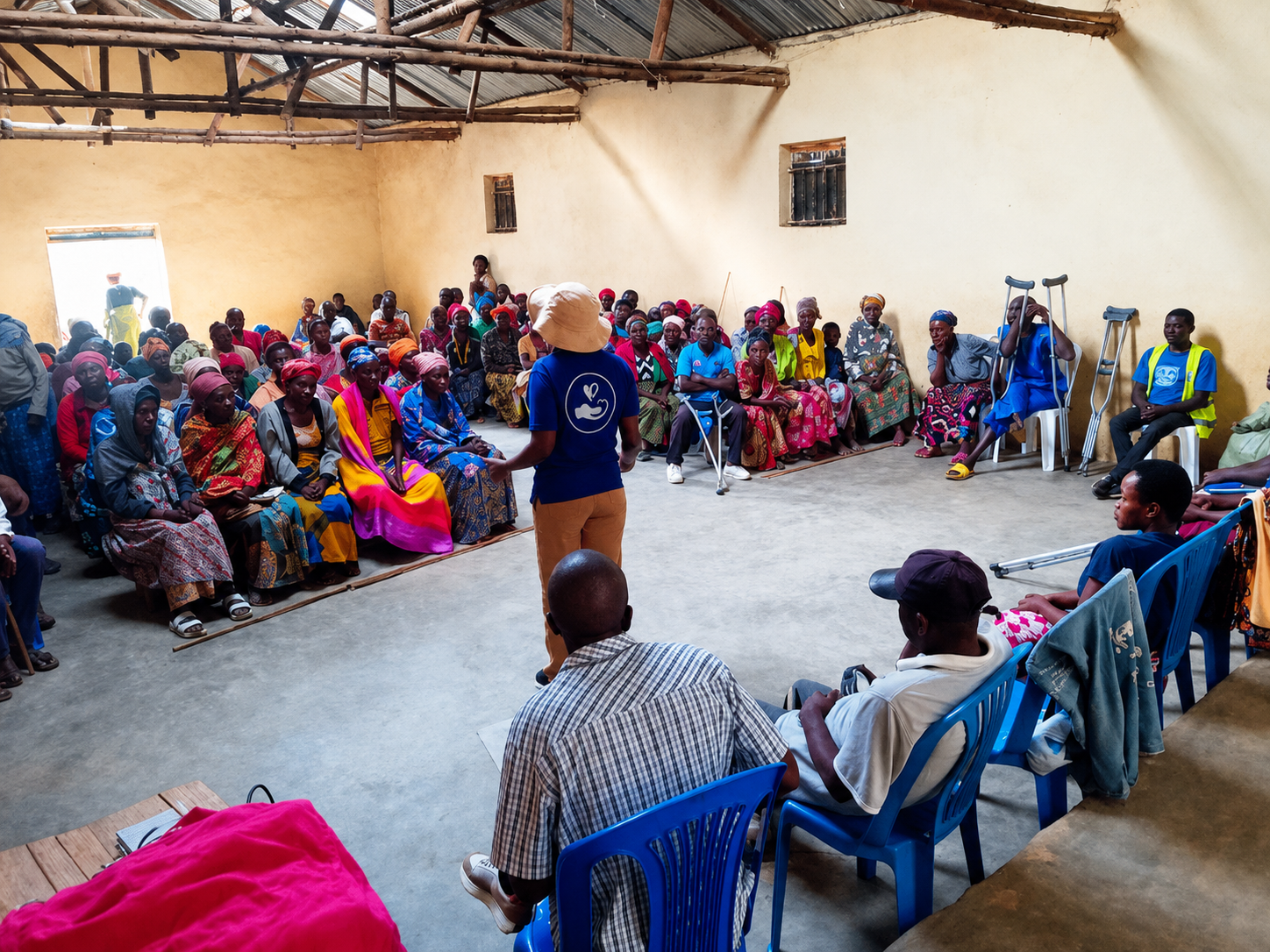
The Vital Community Health Network (VCHN) is an ongoing MOHI community-health systems strengthening programme in Kyaka II Refugee Settlement. It strengthens government community-health structures by training and supporting Village Health Team members and community volunteers to conduct community mapping, confidential referrals, home follow-up, adherence support, psychosocial support and community feedback for women and girls affected by, or vulnerable to, HIV.
Problem being addressed
Women and girls in refugee-settlement settings face interconnected barriers to HIV prevention, care and continuity of support. These include stigma, limited access to trusted information, weak referral follow-up, psychosocial pressures, mobility, confidentiality concerns and insufficient resources for community-based monitoring. Existing government and health-facility services require stronger community-level support to identify needs, connect people to appropriate services, follow up referrals and communicate recurring access barriers. Village Health Teams are well positioned to perform this function but require training, equipment, supervision, transport, data systems and sustained operational support.
Goal
To strengthen community-based HIV prevention, care linkage and accountability for vulnerable women and girls in Kyaka II by reinforcing government Village Health Team structures and improving trusted connections between communities and appropriate health services.
Objectives
- Strengthen the operational capacity of five Village Health Team members, community caregivers and volunteers to conduct safe community mapping, referral and follow-up.
- Improve confidential access to referral, adherence, psychosocial and community-support pathways for single mothers living with HIV, adolescent girls and young women.
- Strengthen coordination between community structures, Bujubuli Health Centre III, MOHI’s Health Department and relevant settlement authorities.
- Maintain monthly digital monitoring through the VCHN-MOHI system and undertake quarterly field-monitoring visits.
- Document community feedback, service-access barriers, referrals and learning to support accountable programme improvement.
Main activities
- Training and equipping Village Health Team members, community caregivers and volunteers.
- Community mapping and identification of women and girls requiring information, referral or follow-up support.
- Confidential health-service referrals and navigation through appropriate service providers.
- Treatment-adherence support for people already receiving HIV care.
- Home follow-up and community-based psychosocial support.
- Community feedback collection and communication of recurring barriers to health actors.
- Coordination with Bujubuli Health Centre III and relevant settlement structures.
- Monthly digital monitoring through the VCHN-MOHI system.
- Quarterly field monitoring by MOHI’s Health Department.
- Documentation through attendance lists, referral records, VHT reports, monitoring reports and meeting notes.
Results and achievements
- VCHN was launched in April 2025 as a community-health systems strengthening programme supporting government Village Health Team structures in Kyaka II.
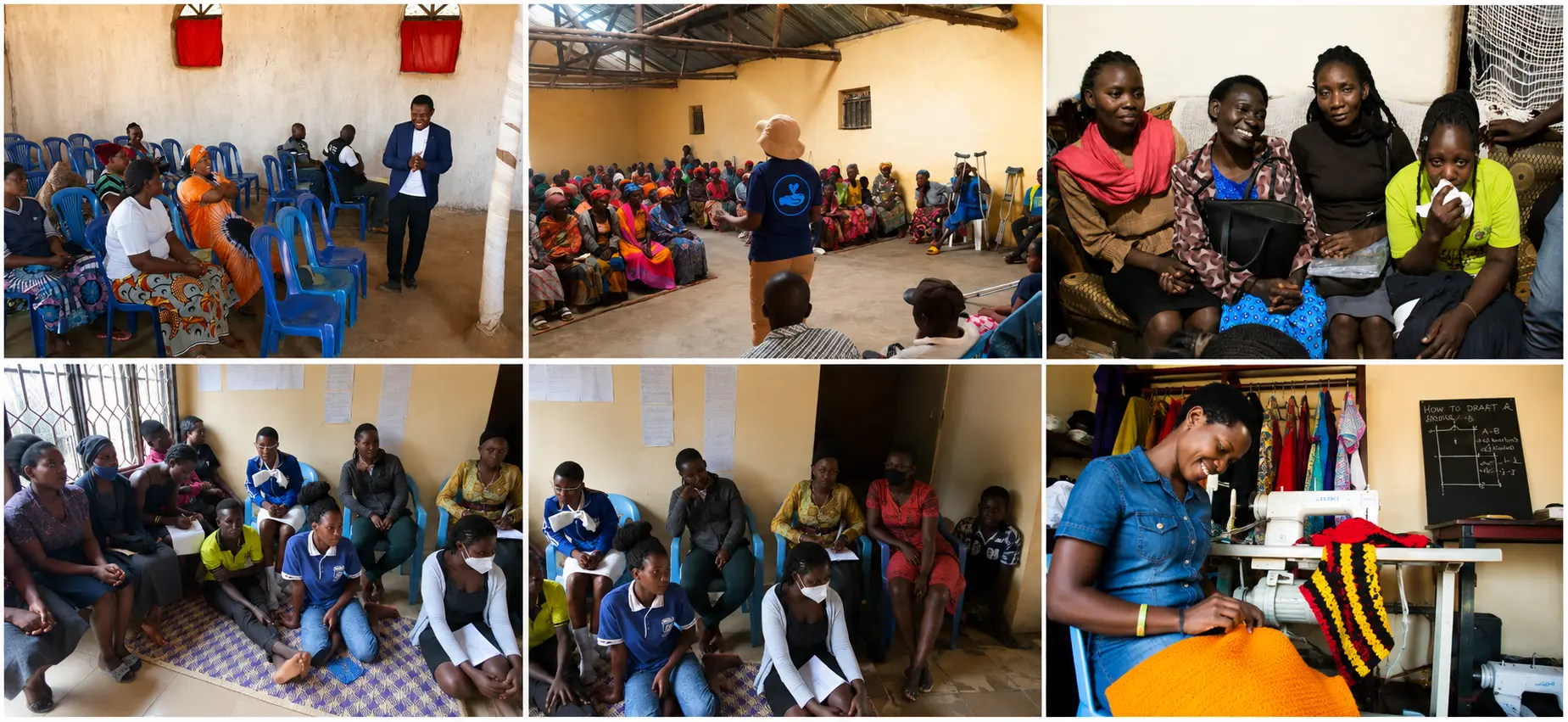
- Five VHT members, community caregivers and volunteers have been trained and equipped to support community mapping, confidential referrals, adherence support, psychosocial support, community feedback and home follow-up.
- The programme expanded in September 2025 from its initial engagement with adult refugee women in high-risk contexts to include single mothers living with HIV, adolescent girls aged 15–17 and young women aged 18–28.
- Programme registry records show more than 38 single mothers, 19 adolescent girls and 21 young women reached in Itambabiniga Zone, and 15 single mothers, 11 adolescent girls and 31 young women reached in Kaborogoota Zone. These category figures are not presented as a unique-person total pending verification of possible overlap.
- A working referral and coordination relationship has been maintained with Bujubuli Health Centre III.
- Monthly programme monitoring is conducted through the VCHN-MOHI digital system, supported by quarterly field-monitoring visits.
- Attendance lists, referral records, VHT reports, digital monitoring records, field-monitoring reports and meeting notes are available.
Challenges
- Available resources have not kept pace with growing community demand.
- The programme lacks sufficient funding for VHT field transport, home follow-up, confidential referral completion, psychosocial support, community dialogues, accessible HIV-prevention information and monitoring.
- Limited supplies and operational equipment constrain the VHTs’ ability to work consistently across both zones.
- Stigma, mobility, privacy concerns and fear of disclosure can interrupt referrals and continuing support.
- The VCHN-MOHI digital monitoring system requires reliable connectivity, maintenance and secure data-management support.
- Current in-kind contributions are valuable but cannot finance the programme’s full operational requirements or responsible expansion.
Lessons
- Trusted community-based VHT members are essential for reaching women and girls who may not approach formal services independently.
- Adolescent girls, young women and single mothers living with HIV require distinct, age-appropriate and safeguarding-sensitive engagement approaches.
- Community mapping must be accompanied by confidential referral, follow-up and psychosocial support.
- Close coordination between community volunteers, health facilities, MOHI technical staff and settlement authorities improves continuity and accountability.
- Digital monitoring is most effective when combined with regular field verification and community feedback.
- In-kind medical supplies support immediate field needs but must be complemented by predictable programme funding.
Sustainability approach
VCHN strengthens existing government Village Health Team structures instead of establishing a parallel community-health system. MOHI will sustain local capacity through refresher training, supportive supervision, standardised referral and reporting tools, monthly digital monitoring and quarterly field reviews. The working relationship with Bujubuli Health Centre III supports continuity of referrals and connection to appropriate services. The VCHN-MOHI digital system will preserve programme learning, referral monitoring and accountability while applying confidentiality and data-protection safeguards. MOHI will continue mobilising technical, in-kind and financial partnerships to support VHT operations, psychosocial follow-up, prevention literacy, secure monitoring and responsible expansion to additional underserved communities.