

Project overview
A student-led, community-supported initiative creating safe spaces, mentorship, recreation, psychosocial support and child-protection referral pathways in Kampala informal settlements and Kyaka II Refugee Settlement.
Problem being addressed
Children and young people in underserved urban and refugee communities face school dropout, neglect, exploitation, substance misuse, early marriage, social exclusion and limited access to trusted support.
Goal
To strengthen safe, community-based protection and opportunity pathways for vulnerable children and youth.
Objectives
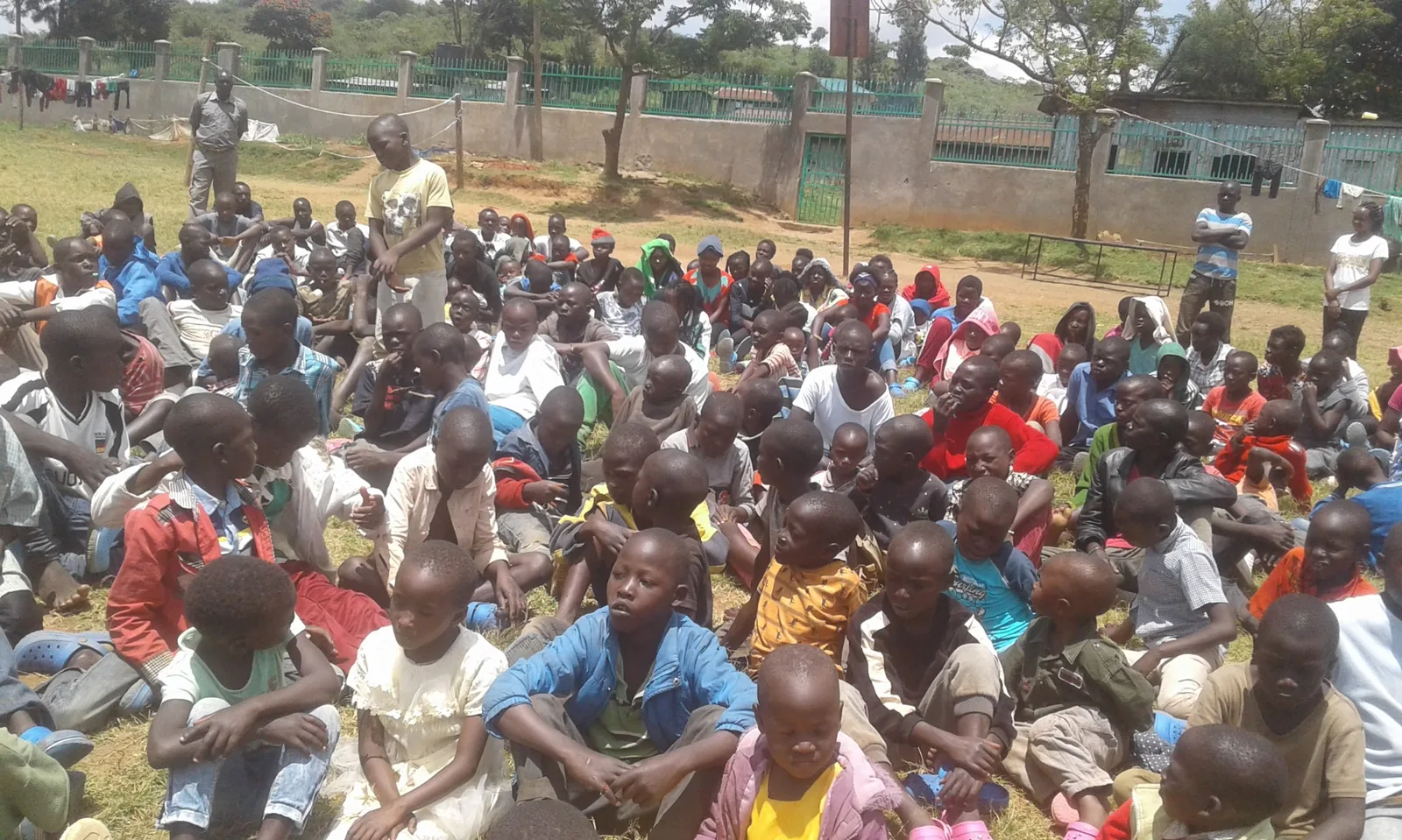
- Create accessible safe spaces for mentorship, learning and recreation.
- Strengthen identification and referral of child-protection concerns.
- Support educational guidance, psychosocial wellbeing and youth participation.
- Build community ownership through volunteers, caregivers and local leadership.
Main activities
- Mentorship and life-skills sessions
- Household visits and participant follow-up
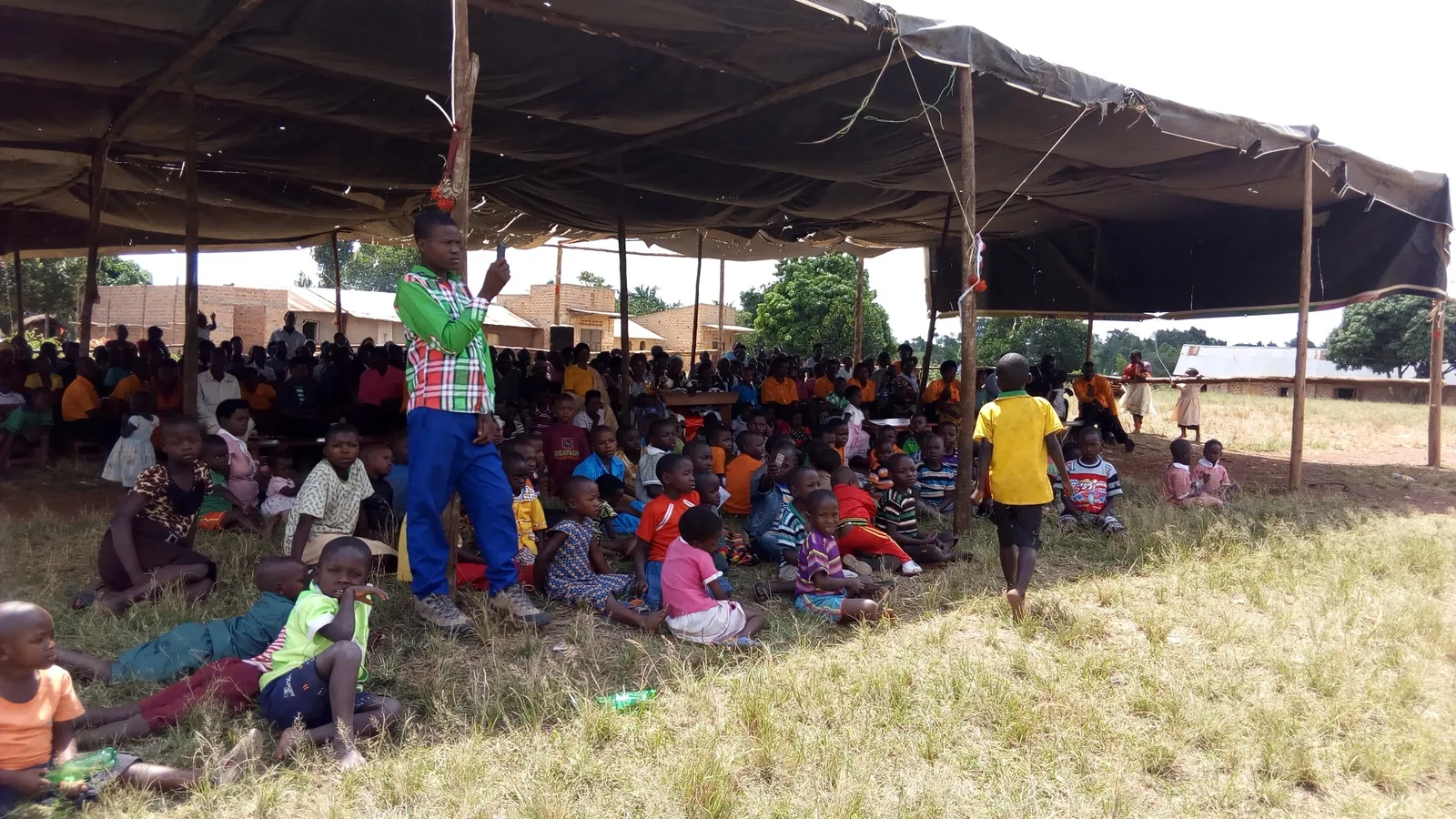
- Community dialogues and awareness activities
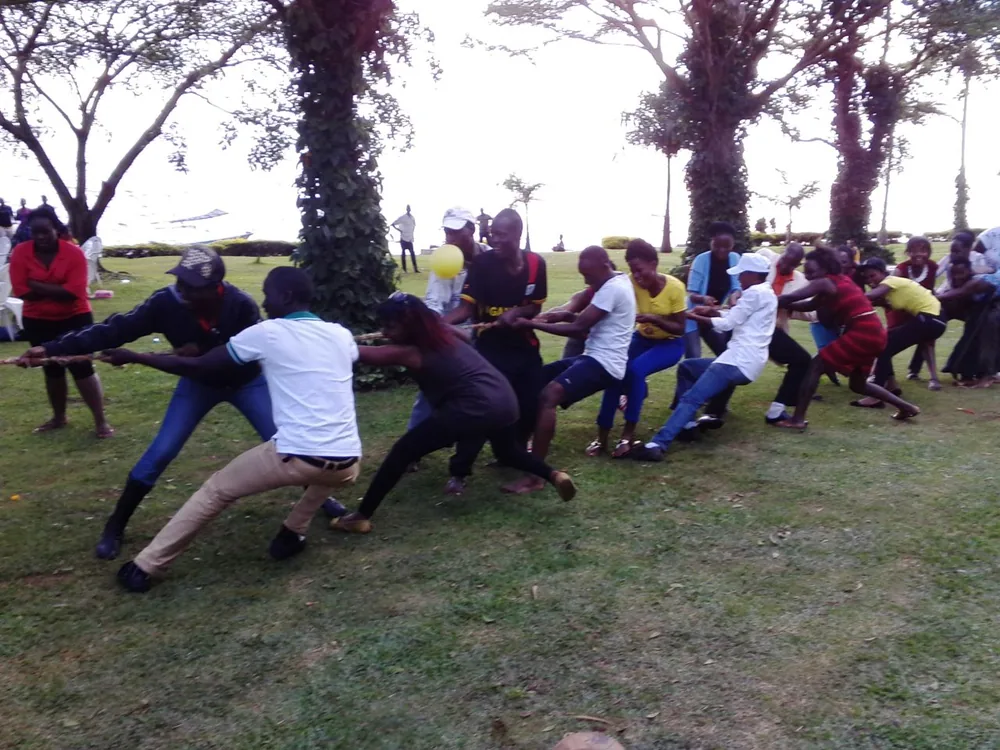
- Sports, recreation and youth engagement
- Child-protection referrals and case follow-up
- Volunteer and community-leader coordination
Results and achievements
- More than 350 children and over 300 youth directly reached between 2024 and 2026, as recorded in the project report.
- Safe-space and recreation activities established in Kampala and Kyaka II communities.
- Child-protection concerns identified and referred through local protection structures.
- Community volunteers, caregivers, leaders and service providers engaged in protection and mentorship.
Challenges
- Limited predictable funding for safe-space operations and participant support.
- High demand for protection, education and psychosocial services.
- Distance, transport and communication constraints in refugee-settlement implementation.
Lessons
- Trusted safe spaces are relationships and support systems, not only physical venues.
- Recreation can be an effective entry point for child protection and mentorship.
- Community leadership and volunteer ownership are essential for continuity.
Sustainability approach
Strengthen community volunteers, local leadership, safe-space use, referral relationships and practical income or resource-support options for community centres.